




CIAT Accredited Conservationist
CIAT Accredited Conservationists (or CIAT Recognised Conservationists) are a special level of professional within the field of architectural technology, focused on the conservation and management of historic buildings and places. The designation, awarded by the Chartered Institute of Architectural Technologists (CIAT), identifies practitioners who have demonstrated advanced competence in working in the historic environment sector, combining technical expertise with a deep understanding of heritage value.
At its core, the CIAT Conservation Register exists to identify Chartered Architectural Technologists who are capable of conserving historic buildings and their surroundings. These professionals operate at the intersection of design, construction, and heritage, ensuring that interventions to historic fabric are carefully considered, technically sound, and respectful of cultural significance.
A CIAT-Accredited Conservationist is, first and foremost, a Chartered Architectural Technologist who has developed additional expertise in conservation. Their work typically involves the repair, adaptation, and reuse of historic buildings, ranging from domestic properties to major heritage assets. They are often engaged in projects where sensitivity to existing fabric is critical, such as restoration, renovation, or alterations within protected contexts.
They must be able to understand the historical development of buildings, assess their significance, and make informed decisions about what should be preserved, repaired, or adapted. This requires a balance between maintaining authenticity and enabling buildings to function in contemporary use.
CIAT-Accredited Conservationists are recognised by major UK heritage bodies, including Historic England, Historic Scotland, Cadw, and the Department for Communities in Northern Ireland. This recognition allows them to act as lead consultants on grant-funded heritage projects, placing them at the forefront of conservation practice in the UK.
Accreditation is a rigorous process designed to ensure high professional standards. Candidates must be actively practising in a conservation-related field and demonstrate their competence through real project experience. Typically, this involves submitting evidence from up to five projects completed within the previous five years, supported by detailed documentation and analysis.
The assessment process consists of two main stages: a technical evaluation of the candidate’s portfolio followed by a formal interview. This ensures that applicants not only possess theoretical knowledge but can also apply it effectively in practice.
The accreditation framework is structured around five core areas of competence:
- Conservation knowledge
- Conservation analysis
- Conservation techniques
- Conservation methods
- Conservation expertise
These categories reflect the breadth of skills required to operate effectively in the conservation field, from understanding materials and decay mechanisms to developing appropriate intervention strategies.
CIAT-Accredited Conservationists must demonstrate ongoing engagement with conservation practice and maintain their expertise over time. To remain on the register, they are required to show continued professional activity and development, with formal reassessment of their competence every five years.
CIAT offers two routes within its Conservation Register:
- CIAT-Accredited Conservationist: for practising professionals who can demonstrate competence through built work and are recognised by funding bodies.
- CIAT-Recognised Conservationist (non-practising): for those with relevant knowledge who are not currently practising but can demonstrate their understanding through case studies.
You can find out more on the CIAT website at: https://architecturaltechnology.com/membership/specialistregisters/conservation-register.html
[edit] Related articles on Designing Buildings
- Architectural technologist.
- Architectural design.
- Architectural education.
- Architectural technician.
- Architectural technologist - delineation of roles.
- Chartered Institute of Architectural Technologists.
- Chartered Architectural Technologist.
- CIAT articles.
- Pathways to qualification with the Chartered Institute of Architectural Technologists (CIAT)
- School of Architectural Technology.
- Studying architectural technology.
Featured articles
Check out some of the best features and news from Designing Buildings as well as key stories from around the web.
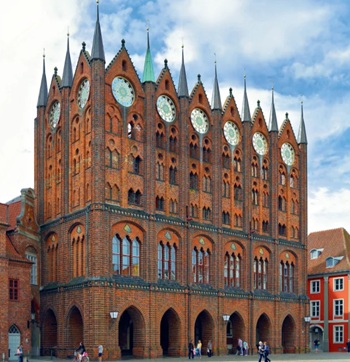
Bringing together expertise and creating cultural benefits.

CIOB celebrates positive Ofsted report.

The Building Safety Regulator announces a call for evidence.

Government approach could undermine delivery and regeneration.
World's first mass timber data centre.

The overlooked environmental aspect of data centre development.
Introduction to radon awareness

New technical information sheet published by CIOB.

Updated supplier guide can help electrical contractors engage with NHP.

CIAT confirm the winners of the 2026 architectural technology awards.

Government launches a one stop shop for flood preparedness.

Sir Edwin Lutyens: Britain's greatest architect? Book review.

CIOB publishes free template to help assess and manage risks.
ECA's reflections on Party Conference season

Burnham wants to be confident of winning before asking for a fresh mandate.